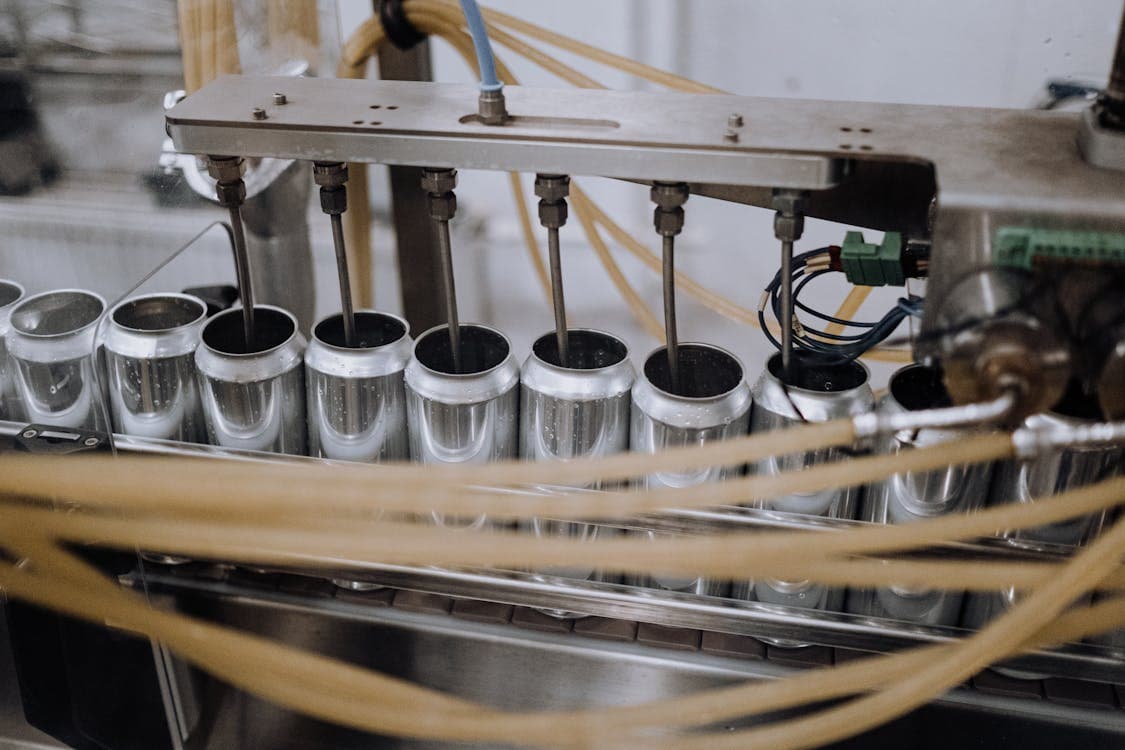
The Nutraceutical Manufacturing Landscape
The global nutraceutical market is projected to exceed $720 billion by 2027, driven by growing consumer demand for dietary supplements, functional foods, and natural health products, as reported by Deloitte's consumer products analysis . This rapid growth has attracted regulatory scrutiny, with the FDA intensifying cGMP inspections of dietary supplement manufacturers under 21 CFR Part 111.
Unlike pharmaceutical manufacturing, nutraceutical production involves hundreds of botanical, mineral, and specialty ingredients with variable potency, complex multi-ingredient formulations, and a consumer base that expects both quality and affordability.
Unique Challenges in Supplement Manufacturing
Ingredient Variability Natural ingredients vary in potency from lot to lot. A raw material lot of turmeric extract might contain 90% curcuminoids one shipment and 96% the next. The ERP must adjust batch formulations dynamically to achieve target potency in the finished product.
Multi-Ingredient Formulations A typical supplement contains 5-30 active ingredients plus excipients. Managing bills of materials, calculating overage requirements, and ensuring homogeneity across ingredients with different densities and particle sizes requires sophisticated formulation management.
Allergen Control Eight major allergens (milk, eggs, fish, shellfish, tree nuts, peanuts, wheat, soybeans) plus regional allergens must be tracked through the supply chain. Cross-contamination during manufacturing is a serious safety and regulatory risk.
Label Claim Verification The Supplement Facts panel must accurately reflect the product composition. Overage calculations, stability-based degradation factors, and analytical testing results must align with label claims throughout the shelf life.
How ERP Addresses Nutraceutical Manufacturing
A nutraceutical ERP like FlowSense provides industry-specific capabilities beyond generic manufacturing software.
Potency-Based Formulation - **Lot-specific potency tracking** recording assay results for each incoming ingredient lot - **Dynamic batch calculation** adjusting ingredient quantities based on actual potency to hit target label claims - **Overage management** calculating the additional ingredient needed to ensure label claim compliance through shelf life - **Yield prediction** accounting for manufacturing losses specific to each dosage form
Allergen Management - **Ingredient allergen database** cataloging all allergen declarations from suppliers - **Formulation allergen roll-up** automatically identifying all allergens present in a finished product - **Production scheduling** sequencing manufacturing runs to minimize allergen cross-contamination - **Equipment cleaning verification** tracking allergen-specific cleaning procedures between product changeovers - **Label allergen validation** cross-checking Supplement Facts and allergen statements against formulation data
Quality Management for 21 CFR Part 111
| Requirement | ERP Capability |
|---|---|
| Identity testing of incoming ingredients | Sample management with method-specific testing workflows |
| Master manufacturing records | Electronic formulation and process records |
| Batch production records | Guided execution with in-process checks |
| Laboratory operations | Integrated testing with specification management |
| Holding and distribution | FEFO inventory with temperature monitoring |
| Returned product handling | Quarantine workflows with disposition tracking |
Contract Manufacturing Support Many supplement brands outsource manufacturing. The ERP manages:
- Customer formulations with restricted access between brand accounts
- Customer-supplied materials tracked separately from house inventory
- Brand-specific packaging with artwork version control
- Production scheduling balancing multiple customer orders with shared equipment
Label Compliance Automation
Supplement labeling is a frequent source of FDA warning letters. The ERP supports compliance by:
- Generating Supplement Facts panels from formulation data
- Calculating daily values per current FDA reference amounts
- Managing structure/function claims with substantiation documentation
- Tracking label versions with approval workflows and change control
- Cross-referencing allergen declarations, ingredient lists, and formulation records to prevent mislabeling
Implementation Priorities
- 1Potency tracking and dynamic formulation --- delivers the fastest ROI by reducing out-of-specification batches
- 2Allergen management --- critical for consumer safety and regulatory compliance
- 3Electronic batch records --- replaces paper-based manufacturing documentation
- 4Label compliance --- automates Supplement Facts generation and allergen cross-checks
- 5Contract manufacturing workflows --- if applicable to your business model
Modernize your supplement manufacturing with FlowSense. Schedule a nutraceutical ERP demo today.