
APPIT Software - Solutions Delivered
Demos
LoginGet Started
Aegis BrowserFlowSenseVidhaanaTrackNexusWorkisySlabIQLearnPathAI InterviewAll ProductsDigital TransformationAI/ML IntegrationLegacy ModernizationCloud MigrationCustom DevelopmentData AnalyticsStaffing & RecruitmentAll ServicesHealthcareFinanceManufacturingRetailLogisticsProfessional ServicesEducationHospitalityReal EstateAgricultureConstructionInsuranceHRTelecomEnergyAll IndustriesCase StudiesBlogResource LibraryProduct ComparisonsAbout UsCareersContact
APPIT Software - Solutions Delivered

Transform your business from legacy systems to AI-powered solutions. Enterprise capabilities at SMB-friendly pricing.

Company

  • About Us
  • Leadership
  • Careers
  • Contact

Services

  • Digital Transformation
  • AI/ML Integration
  • Legacy Modernization
  • Cloud Migration
  • Custom Development
  • Data Analytics
  • Staffing & Recruitment

Products

  • Aegis Browser
  • FlowSense
  • Vidhaana
  • TrackNexus
  • Workisy
  • SlabIQ
  • LearnPath
  • AI Interview

Industries

  • Healthcare
  • Finance
  • Manufacturing
  • Retail
  • Logistics
  • Professional Services
  • Hospitality
  • Education

Resources

  • Case Studies
  • Blog
  • Live Demos
  • Resource Library
  • Product Comparisons

Contact

  • info@appitsoftware.com

Global Offices

🇮🇳

India(HQ)

PSR Prime Towers, 704 C, 7th Floor, Gachibowli, Hyderabad, Telangana 500032

🇺🇸

USA

16192 Coastal Highway, Lewes, DE 19958

🇦🇪

UAE

IFZA Business Park, Dubai Silicon Oasis, DDP Building A1, Dubai

🇸🇦

Saudi Arabia

Futuro Tower, King Saud Road, Riyadh

© 2026 APPIT Software Solutions. All rights reserved.

Privacy PolicyTerms of ServiceCookie PolicyRefund PolicyDisclaimer

Need help implementing this?

Get Free Consultation
  1. Home
  2. Blog
  3. Industry Insights
Industry Insights

Electronic Batch Records: Replacing Paper in Pharma Production

Paper batch records cost pharma companies millions in errors, review delays, and compliance gaps. Learn how electronic batch records in ERP systems accelerate production and strengthen data integrity.

AS
APPIT Software
|January 14, 20263 min readUpdated Jan 2026
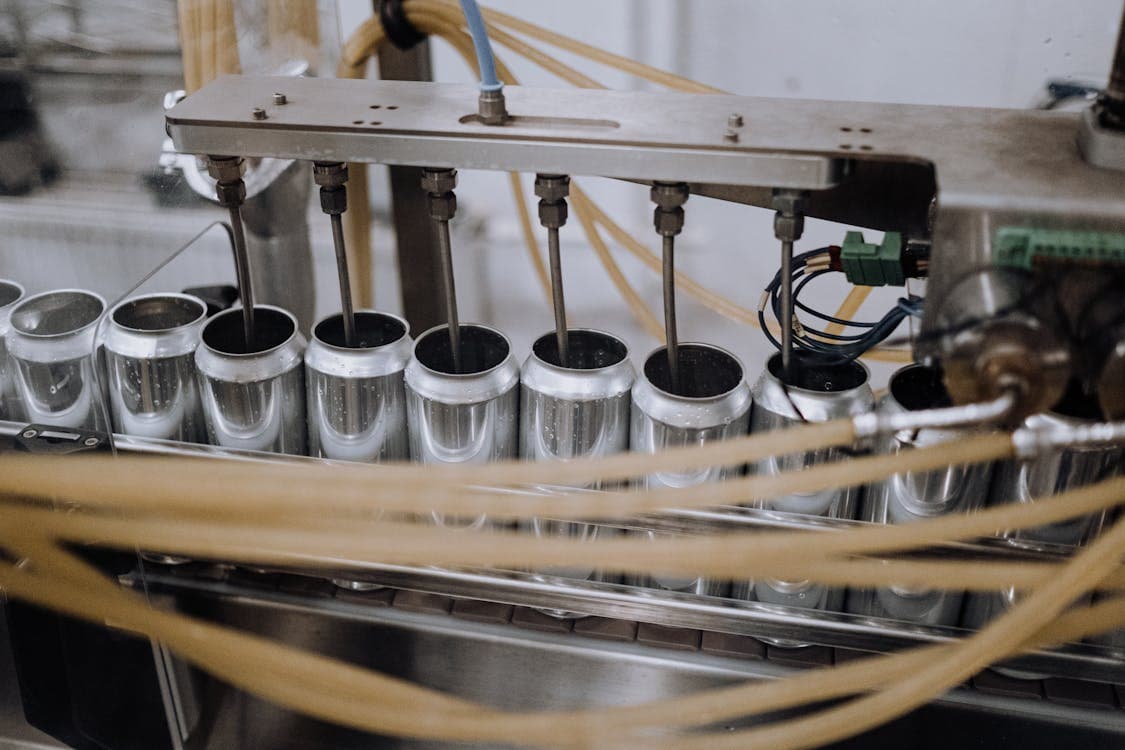
Electronic batch records replacing paper in pharmaceutical production

Get Free Consultation

Talk to our experts today

By submitting, you agree to our Privacy Policy. We never share your information.

Need help implementing this?

Get a free consultation from our expert team. Response within 24 hours.

Get Free Consultation

Key Takeaways

  • 1The Problem with Paper Batch Records
  • 2What Are Electronic Batch Records?
  • 3EBR vs. Paper: A Direct Comparison
  • 4Implementation Considerations
  • 5ROI of Electronic Batch Records

The Problem with Paper Batch Records

Paper-based batch records have been the backbone of pharmaceutical manufacturing documentation for decades. They are also one of the largest sources of operational inefficiency, compliance risk, and data integrity failures in the industry.

A typical paper batch record for a solid oral dosage form runs 50-150 pages. Each page requires manual entries, calculations, verifications, and signatures. The review process alone consumes 5-15 hours per batch for QA reviewers.

Common issues with paper batch records include:

  • Transcription errors in recording weights, temperatures, and times
  • Incomplete entries discovered during QA review, requiring investigation
  • Illegible handwriting leading to data interpretation disputes
  • Lost or damaged pages creating documentation gaps
  • Review bottlenecks where QA teams cannot keep pace with production output

What Are Electronic Batch Records?

Electronic batch records (EBRs) are digital replacements for paper batch records that guide operators through manufacturing procedures while capturing data electronically. An EBR system integrated into a pharmaceutical ERP like FlowSense enforces process compliance in real time rather than discovering problems after the fact.

Key Capabilities

Guided execution. Operators follow step-by-step instructions on tablets or workstations. The system enforces sequence so steps cannot be skipped or performed out of order.

Real-time data capture. Equipment readings, weights, and environmental data are captured directly from instruments via integration, eliminating manual transcription.

In-line verification. The system performs calculations and limit checks as data is entered. Out-of-specification values trigger immediate alerts.

Electronic signatures. Each critical step requires operator and verifier sign-off using Part 11-compliant electronic signatures.

Exception management. Deviations from the master batch record are captured, categorized, and routed for investigation automatically.

EBR vs. Paper: A Direct Comparison

AspectPaper RecordsElectronic Batch Records
Data entryManual handwritingDigital input with validation
CalculationsManual with calculatorAutomatic with audit trail
Review time5-15 hours per batch1-3 hours per batch
Error detectionPost-productionReal-time
StoragePhysical archive roomsSecure digital database
RetrievalHours to daysSeconds
Audit trailLimited to signaturesComplete change history

Implementation Considerations

Master Batch Record Design

The foundation of any EBR system is the master batch record template. Converting paper masters to electronic format requires careful analysis of each instruction, parameter, and acceptance criterion.

Equipment Integration

The greatest value comes from connecting instruments and equipment directly to the EBR system. Common integrations include:

  • Weighing balances for dispensing verification
  • Temperature and humidity sensors for environmental monitoring
  • Tablet presses and encapsulation machines for in-process parameters
  • HPLC and dissolution testers for in-process testing results

Operator Training

Shop floor adoption is critical. Operators accustomed to paper must be trained on the tablet interface, electronic signature procedures, and exception handling workflows. Plan for 2-4 weeks of parallel running before full cutover.

Validation Requirements

EBR systems require computer system validation per GAMP 5 guidelines from ISPE , including:

  • User Requirements Specification (URS)
  • Functional and Design Specifications
  • IQ/OQ/PQ protocols and execution
  • Traceability matrix
  • Validation summary report

ROI of Electronic Batch Records

Based on industry benchmarks and FlowSense implementations:

  • Batch review time reduced by 70-80%, freeing QA resources for value-added activities
  • Right-first-time rates improved by 15-25% through real-time enforcement
  • Batch release cycle shortened by 2-5 days due to faster review and fewer investigations
  • Documentation-related deviations reduced by 60-75%

Getting Started

Start with a pilot product --- ideally a high-volume product with a well-understood process. Demonstrate the value on one production line before scaling across the facility.

Explore how FlowSense electronic batch records can transform your pharma production. Request a demo today.
Free Consultation

Want to Transform Your L&D Program with AI?

See how LearnPath helps companies generate custom courses, run AI assessments, and measure training ROI.

  • Expert guidance tailored to your needs
  • No-obligation discussion
  • Response within 24 hours

By submitting, you agree to our Privacy Policy. We never share your information.

Frequently Asked Questions

How long does it take to implement electronic batch records in a pharma facility?

A typical EBR implementation for a single product line takes 4-6 months including master batch record conversion, system configuration, equipment integration, validation, and operator training. Scaling to additional products typically takes 2-4 weeks per product once the infrastructure is established.

Can electronic batch records work alongside existing paper systems during transition?

Yes. Most pharmaceutical companies run paper and electronic systems in parallel during the transition period, typically for 2-4 weeks per production line. This allows operators to build confidence with the new system while maintaining documented evidence that both systems produce equivalent records.

About the Author

AS

APPIT Software

Pharmaceutical Technology Writer, APPIT Software Solutions

APPIT Software is the Pharmaceutical Technology Writer at APPIT Software Solutions, bringing extensive experience in enterprise technology solutions and digital transformation strategies across healthcare, finance, and professional services industries.

Sources & Further Reading

ATD - Association for Talent DevelopmentJosh Bersin - HR & L&D ResearchLinkedIn Learning Blog

Related Resources

AI & ML IntegrationLearn about our services
Custom DevelopmentLearn about our services

Topics

electronic batch recordspharma erpdigital transformation

Share this article

Table of Contents

  1. The Problem with Paper Batch Records
  2. What Are Electronic Batch Records?
  3. EBR vs. Paper: A Direct Comparison
  4. Implementation Considerations
  5. ROI of Electronic Batch Records
  6. Getting Started
  7. FAQs

Who This Is For

Pharma Production Directors
Quality Assurance Managers
Manufacturing IT Leaders
Plant Operations Heads
Free Resource

L&D ROI Calculator & Training Needs Assessment

Calculate your training ROI, identify skill gaps, and build a business case for AI-powered learning and development.

No spam. Unsubscribe anytime.

Ready to Transform Your Business?

Let our experts help you implement the strategies discussed in this article.

Schedule a Free ConsultationView Success Stories

Related Articles in Industry Insights

View All
FDA 21 CFR Part 11 compliance with pharmaceutical production line
Industry Insights

How ERP Systems Ensure FDA 21 CFR Part 11 Compliance

FDA 21 CFR Part 11 governs electronic records and signatures in pharma. Discover how a compliant ERP system automates audit trails, access controls, and validation to keep your operations inspection-ready.

7 min readRead More
Pharmaceutical stability testing management with medication
Industry Insights

Managing Stability Testing Programs with Pharma ERP

Stability testing determines drug shelf life and storage conditions. Discover how pharma ERP systems automate study scheduling, sample management, and trend analysis for ICH-compliant stability programs.

7 min readRead More
GMP compliance in pharmaceutical manufacturing with pills
Industry Insights

GMP Compliance Made Easy: ERP for Pharmaceutical Companies

Good Manufacturing Practice compliance is the foundation of pharmaceutical quality. Learn how ERP systems embed GMP requirements into daily workflows, from material qualification to batch release.

7 min readRead More
FAQ

Frequently Asked Questions

Common questions about this article and how we can help.

You can explore our related articles section below, subscribe to our newsletter for similar content, or contact our experts directly for a deeper discussion on the topic.