What Makes API Manufacturing Different
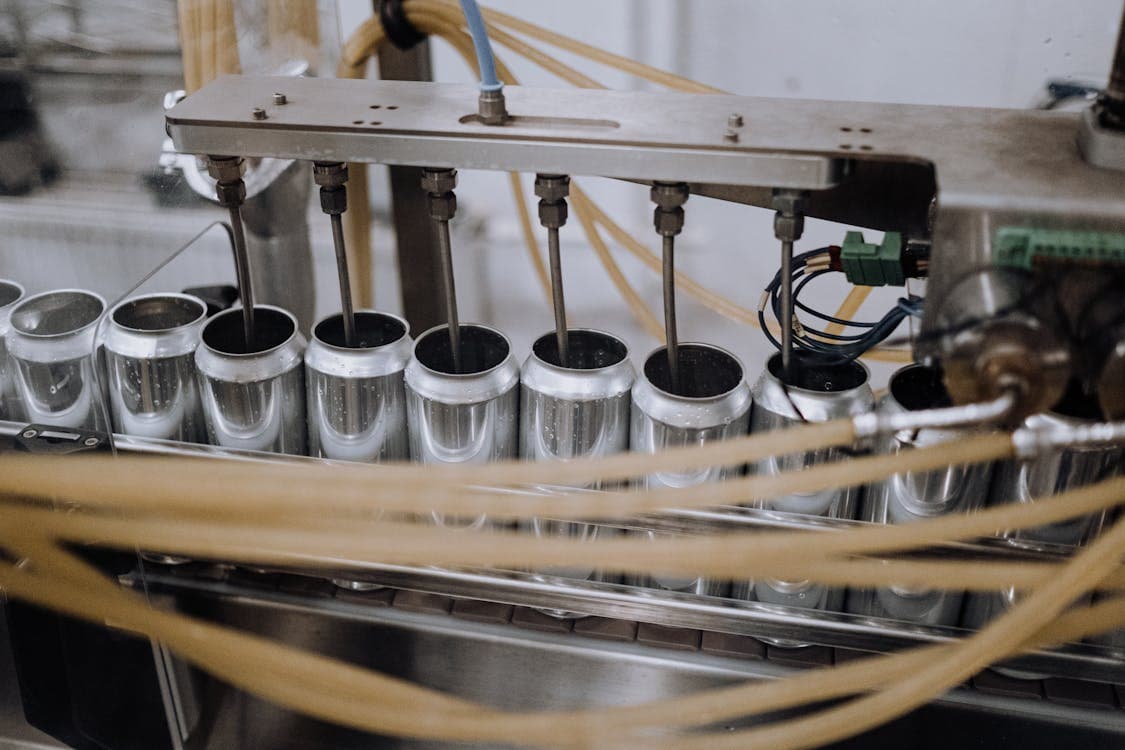
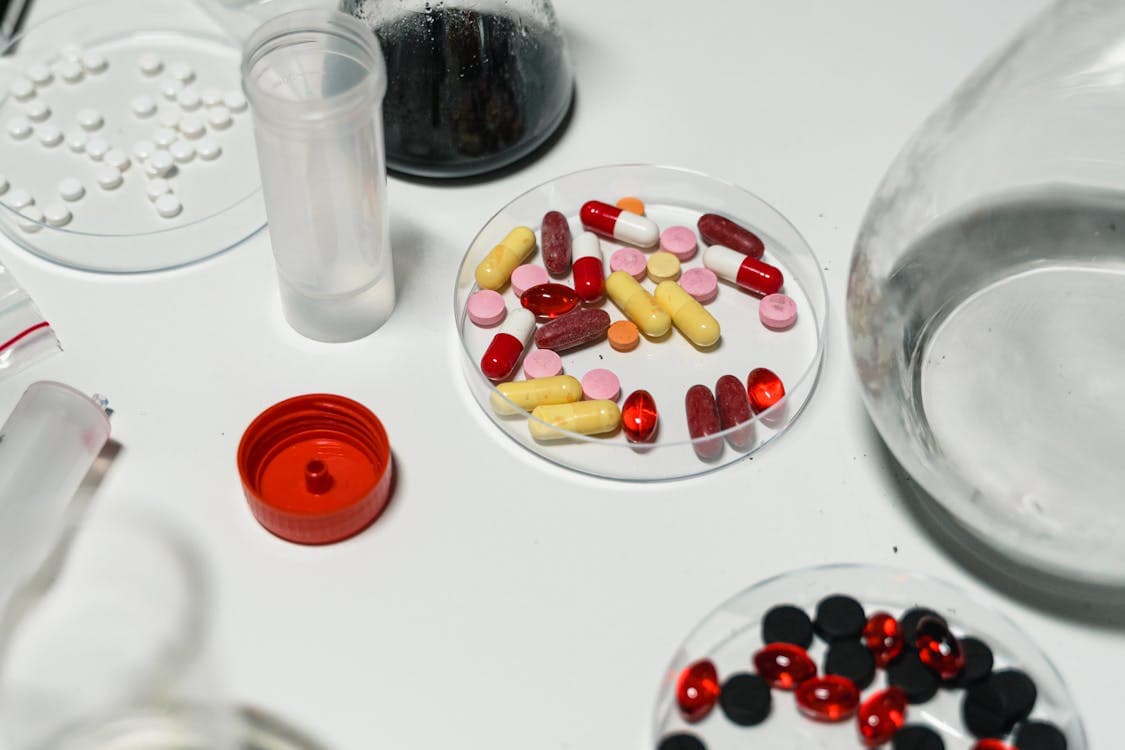
Active Pharmaceutical Ingredient (API) manufacturing is fundamentally different from finished dosage form production. APIs are produced through chemical synthesis, fermentation, or extraction processes involving hazardous solvents, multi-step reactions, and strict environmental controls. The manufacturing process directly determines the purity, polymorphic form, and impurity profile of the final drug product.
ICH Q7 (Good Manufacturing Practice Guide for Active Pharmaceutical Ingredients) establishes the GMP framework for API production, with requirements that differ significantly from finished product GMP in areas like process validation, impurity control, and starting material definition.
Key Challenges in API Manufacturing
Multi-Step Synthesis A typical API synthesis involves 5-15 reaction steps, each with its own raw materials, solvents, catalysts, process parameters, and yield expectations. A failure at any step can require restarting the entire sequence, wasting materials, equipment time, and weeks of production.
Solvent Management Chemical synthesis consumes large volumes of solvents that must be tracked for:
- Inventory and consumption per batch and per step
- Recovery and recycling with quality verification before reuse
- Waste classification and disposal per environmental regulations
- Residual solvent limits in intermediates and final API per ICH Q3C
Yield Optimization API manufacturing yields are rarely 100%. Each reaction step has a theoretical yield, and the cumulative yield across all steps determines the cost per kilogram of API. Small yield improvements at individual steps can significantly impact overall production economics.
Impurity Control ICH Q3A defines limits for impurities in APIs. The ERP must track:
- Specified impurities identified by structure and controlled to defined limits
- Unspecified impurities controlled individually below identification thresholds
- Total impurities controlled to overall limits
- Genotoxic impurities controlled to extremely low limits per ICH M7
How ERP Supports API Manufacturing
A pharmaceutical ERP like FlowSense provides capabilities specifically designed for API production environments.
Reaction Step Management - **Multi-step process definition** with sequential and parallel reaction paths - **Step-specific material requirements** including solvents, reagents, and catalysts - **Process parameter tracking** for temperature, pressure, pH, and reaction time - **In-process testing integration** with specification checks at each step - **Intermediate hold time management** ensuring stability-justified hold periods are not exceeded
Campaign Management API production often runs in campaigns --- multiple consecutive batches of the same product before cleaning and switching. The ERP manages:
| Campaign Element | ERP Capability |
|---|---|
| Campaign planning | Batch sequencing with material availability checks |
| Equipment dedication | Tracking which equipment is allocated to which API campaign |
| Cleaning verification | Managing campaign-end cleaning with analytical verification |
| Carryover assessment | Calculating and documenting acceptable residue levels |
Solvent Tracking and Recovery - **Solvent inventory** at the individual container and bulk storage level - **Consumption recording** per batch per reaction step - **Recovery tracking** from distillation and other recovery operations - **Quality testing** of recovered solvents before reuse authorization - **Material balance** comparing solvent input against recovery plus documented waste - **Environmental reporting** compiling solvent usage data for regulatory submissions
Yield Analysis and Optimization - **Step-by-step yield tracking** comparing actual versus theoretical at each reaction step - **Cumulative yield calculation** across the entire synthesis route - **Yield trending** identifying declining performance before it becomes critical - **Root cause correlation** linking yield variations to raw material lots, equipment, operators, and process parameters - **Cost-per-kilogram calculation** incorporating material costs, yields, and overheads
ICH Q7 Compliance - **Starting material definition** documenting the point at which GMP controls begin - **Process validation** managing concurrent and retrospective validation studies - **Impurity profile management** tracking specified and unspecified impurities across batches - **Certificate of Analysis generation** with customer-specific format requirements - **Change control** with impact assessment for process, material, or equipment changes
Environmental and Safety Integration
API manufacturing involves hazardous materials and processes. The ERP supports:
- Safety Data Sheet management for all chemicals and solvents
- Exposure monitoring linking personnel to chemicals handled per shift
- Waste stream tracking from generation through treatment to disposal
- Emission reporting compiling data for environmental permit compliance
- Incident recording documenting safety events with investigation workflows
Implementation Approach for API Manufacturers
- 1Map your synthesis routes into the ERP process definition framework
- 2Configure solvent tracking from receipt through use, recovery, and waste
- 3Establish yield baselines for each reaction step using historical data
- 4Integrate laboratory testing for in-process, release, and impurity testing
- 5Validate the system following ICH Q7 GMP requirements
Optimize your API manufacturing operations with FlowSense. Talk to our API manufacturing specialists for a process assessment.