APPIT Software - Solutions Delivered
Demos
LoginGet Started
Aegis BrowserFlowSenseVidhaanaTrackNexusWorkisySlabIQLearnPathAI InterviewAll ProductsDigital TransformationAI/ML IntegrationLegacy ModernizationCloud MigrationCustom DevelopmentData AnalyticsStaffing & RecruitmentAll ServicesHealthcareFinanceManufacturingRetailLogisticsProfessional ServicesEducationHospitalityReal EstateAgricultureConstructionInsuranceHRTelecomEnergyAll IndustriesCase StudiesBlogResource LibraryProduct ComparisonsAbout UsCareersContact
APPIT Software - Solutions Delivered

Transform your business from legacy systems to AI-powered solutions. Enterprise capabilities at SMB-friendly pricing.

Company

  • About Us
  • Leadership
  • Careers
  • Contact

Services

  • Digital Transformation
  • AI/ML Integration
  • Legacy Modernization
  • Cloud Migration
  • Custom Development
  • Data Analytics
  • Staffing & Recruitment

Products

  • Aegis Browser
  • FlowSense
  • Vidhaana
  • TrackNexus
  • Workisy
  • SlabIQ
  • LearnPath
  • AI Interview

Industries

  • Healthcare
  • Finance
  • Manufacturing
  • Retail
  • Logistics
  • Professional Services
  • Hospitality
  • Education

Resources

  • Case Studies
  • Blog
  • Live Demos
  • Resource Library
  • Product Comparisons

Contact

  • info@appitsoftware.com

Global Offices

🇮🇳

India(HQ)

PSR Prime Towers, 704 C, 7th Floor, Gachibowli, Hyderabad, Telangana 500032

🇺🇸

USA

16192 Coastal Highway, Lewes, DE 19958

🇦🇪

UAE

IFZA Business Park, Dubai Silicon Oasis, DDP Building A1, Dubai

🇸🇦

Saudi Arabia

Futuro Tower, King Saud Road, Riyadh

© 2026 APPIT Software Solutions. All rights reserved.

Privacy PolicyTerms of ServiceCookie PolicyRefund PolicyDisclaimer

Need help implementing this?

Get Free Consultation
  1. Home
  2. Blog
  3. Food & Beverage
Food & Beverage

Allergen Management Best Practices: How Food Manufacturers Prevent Cross-Contact and Protect Consumers

Allergen-related recalls account for the largest category of food recalls globally. Learn how systematic allergen management with ERP systems prevents cross-contact, ensures accurate labeling, and protects both consumers and brands.

PS
Priya Sharma
|November 18, 20255 min readUpdated Nov 2025
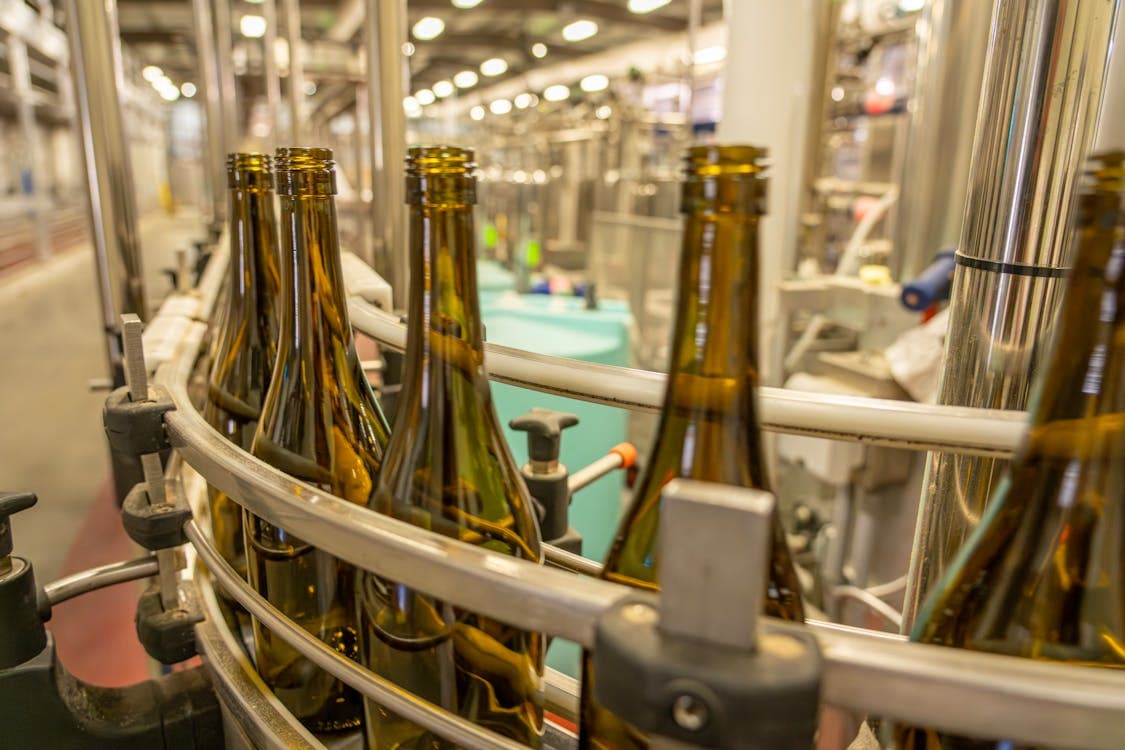
FlowSense ERP allergen management dashboard showing allergen matrix, cross-contact controls, and labeling compliance

Get Free Consultation

Talk to our experts today

By submitting, you agree to our Privacy Policy. We never share your information.

Need help implementing this?

Get a free consultation from our expert team. Response within 24 hours.

Get Free Consultation

Key Takeaways

  • 1The Allergen Management Imperative
  • 2The Regulatory Framework
  • 3FlowSense Allergen Management System
  • 4Implementation Results
  • 5Best Practice Framework

The Allergen Management Imperative

Food allergen management has become one of the most critical safety challenges in the food industry. The numbers are sobering:

  • Allergen-related recalls represent the single largest category of food recalls in the US (38% of all FDA recalls), EU, and most developed markets
  • Food allergies affect an estimated 250-550 million people globally, with prevalence increasing 3-4% annually according to global health data
  • Fatal anaphylaxis from food allergens causes an estimated 150-200 deaths per year in the US alone
  • Average cost of an allergen recall: $10 million in direct costs, with potential for criminal liability in cases of negligence

For food manufacturers, allergen management requires control at every stage: ingredient procurement, storage, production, packaging, and labeling. A single failure at any point can result in an undeclared allergen reaching consumers.

Systematic allergen management integrated into ERP systems like [FlowSense](/contact) provides the controls, documentation, and visibility needed to prevent allergen incidents.

The Regulatory Framework

Major Allergen Regulations

JurisdictionRegulationMandatory AllergensKey Requirements
United StatesFALCPA + FASTER ActTop 9 (milk, eggs, fish, shellfish, tree nuts, peanuts, wheat, soybeans, sesame)Declaration on label, CGMP for prevention
European UnionEU FIC 1169/201114 allergensBold/highlighted in ingredient list
Australia/NZFSANZ Standard 1.2.311 allergensDeclaration required, VITAL system recommended
IndiaFSSAI Regulations8 allergensDeclaration on label
JapanFood Labeling Act7 mandatory + 21 recommendedSpecific declaration format required

Precautionary Allergen Labeling (PAL)

"May contain" statements are under increasing scrutiny: - The VITAL (Voluntary Incidental Trace Allergen Labelling) program provides a science-based framework for PAL decisions - EU is developing harmonized PAL regulations to replace inconsistent national practices - Consumers and regulators increasingly expect PAL to be based on quantitative risk assessment, not blanket disclaimers

FlowSense Allergen Management System

Ingredient-Level Allergen Tracking

FlowSense maintains comprehensive allergen data for every ingredient:

  • Allergen status classification: Contains, may contain (cross-contact risk), derived from (but allergen-free through processing), free from
  • Supplier allergen declarations: Structured capture of supplier allergen statements with version tracking and renewal management
  • Supplier questionnaire management: Automated annual allergen questionnaire distribution, tracking, and review
  • Change notification management: System flags when suppliers change allergen status, triggering review of all affected products

Recipe-Level Allergen Analysis

  • Automatic allergen aggregation: Allergens from all ingredients cascade to the recipe level automatically
  • Sub-recipe inheritance: Multi-level recipes correctly aggregate allergens from all component levels
  • Cross-contact assessment: Production line allergen profiles identify cross-contact risks based on shared equipment
  • Allergen matrix generation: Automatic generation of allergen matrices showing allergen status for every product

Production Controls

FlowSense enforces allergen controls during production:

  • Scheduling optimization: Production scheduling algorithm minimizes allergen changeovers and sequences allergen-containing products after allergen-free runs
  • Changeover verification: Digital checklists for allergen changeover cleaning with photographic evidence capture
  • Line clearance confirmation: Operators must confirm allergen-specific line clearance before production can begin
  • Real-time allergen alerts: If an ingredient containing an unexpected allergen is scanned for use in a product, the system blocks the operation and alerts quality staff

Labeling Compliance

  • Automatic allergen declaration: Allergen statements generated automatically from recipe allergen data in jurisdiction-specific formats
  • Bold/highlight formatting: Allergen ingredients automatically highlighted in ingredient lists per regulatory requirements
  • PAL decision support: Quantitative risk assessment tools support science-based "may contain" decisions
  • Label change triggers: When allergen status changes (due to recipe reformulation, supplier changes, or regulatory updates), the system flags all affected labels for revision

Implementation Results

MetricBefore FlowSenseAfter FlowSenseImprovement
Allergen labeling errors3-5 per yearZero100% elimination
Allergen-related near misses8-12 per year0-2 per year80-100% reduction
Supplier allergen data currency60-75% up to date98%+ up to dateNear-complete currency
Changeover verification compliance80-90%100%Full compliance
Time to respond to allergen queries2-5 days2-4 hours90% faster

Best Practice Framework

Organizational

  1. 1Designate an allergen coordinator responsible for the allergen management program
  2. 2Train all production staff on allergen awareness, cross-contact prevention, and emergency response
  3. 3Include allergen management in supplier qualification and ongoing monitoring programs
  4. 4Conduct regular allergen audits of production facilities, storage areas, and documentation

Operational

  1. 1Segregate allergenic materials in receiving, storage, and production areas where feasible
  2. 2Color-code equipment and utensils used for allergen-containing products
  3. 3Validate cleaning procedures with allergen-specific testing (ELISA, lateral flow devices)
  4. 4Implement allergen testing of finished products and production environment through swab testing programs

Systematic

  1. 1Maintain a current allergen matrix for all products and production lines
  2. 2Conduct formal allergen risk assessments for new products, process changes, and supplier changes
  3. 3Implement a "free-from" verification program for products marketed as allergen-free
  4. 4Establish recall procedures specific to allergen incidents with pre-defined communication templates
Build a bulletproof allergen management program with FlowSense. Contact us for a demo of our integrated allergen tracking, production control, and labeling compliance capabilities.

The Allergen Management Maturity Journey

Organizations typically evolve through stages of allergen management maturity:

  • Reactive: Allergen management is primarily paper-based, with controls applied inconsistently
  • Compliant: Basic controls are in place meeting regulatory minimums, but gaps exist in documentation and verification
  • Proactive: Systematic allergen management with digital controls, regular risk assessment, and comprehensive training
  • Optimized: AI-assisted allergen management with predictive risk analysis, automated controls, and continuous improvement

FlowSense helps organizations progress from wherever they are today to an optimized state where allergen incidents are virtually eliminated.

Explore how FlowSense provides comprehensive allergen management for food manufacturers across all product categories and regulatory jurisdictions.


Free Consultation

Ready to Optimize Your Food & Beverage Operations?

Discover ERP solutions built for food safety, traceability, and production efficiency.

  • Expert guidance tailored to your needs
  • No-obligation discussion
  • Response within 24 hours

By submitting, you agree to our Privacy Policy. We never share your information.

Frequently Asked Questions

What are the most common causes of allergen-related recalls?

The most common causes are undeclared allergens due to labeling errors (wrong label applied, ingredient list not updated after reformulation), cross-contact during production (inadequate cleaning between allergen changeovers, shared equipment), and supplier-related issues (supplier allergen status changes not communicated or incorporated into labeling). ERP systems address all three categories through automated labeling, production controls, and supplier management.

How does FlowSense prevent allergen cross-contact in production?

FlowSense prevents cross-contact through multiple controls: production scheduling that minimizes allergen changeovers and sequences allergen-containing products optimally, digital changeover checklists with photographic evidence requirements, mandatory line clearance confirmation before production can begin, and real-time blocking of incorrect ingredient usage. These controls are enforced digitally rather than relying on paper-based procedures.

What is VITAL and how does FlowSense support it?

VITAL (Voluntary Incidental Trace Allergen Labelling) is a science-based framework for making precautionary allergen labeling ("may contain") decisions based on quantitative risk assessment rather than blanket disclaimers. FlowSense supports VITAL by maintaining allergen cross-contact data, calculating potential allergen levels from shared equipment use, and comparing these against VITAL reference doses to recommend appropriate precautionary statements.

How often should supplier allergen data be updated?

Best practice requires annual supplier allergen questionnaire renewal at minimum, with immediate updates when suppliers notify of changes. FlowSense automates this process by tracking questionnaire expiration dates, automatically distributing renewal questionnaires, flagging overdue responses, and alerting quality teams when supplier allergen status changes affect product labeling.

About the Author

PS

Priya Sharma

CTO, APPIT Software Solutions

Priya Sharma is the CTO at APPIT Software Solutions, bringing extensive experience in enterprise technology solutions and digital transformation strategies across healthcare, finance, and professional services industries.

Sources & Further Reading

FAO - Food and Agriculture OrganizationFood Safety MagazineMcKinsey Consumer & Retail

Related Resources

Food & Beverage Industry SolutionsExplore our industry expertise
Interactive DemoSee it in action
Legacy ModernizationLearn about our services
AI & ML IntegrationLearn about our services

Topics

Allergen ManagementFood SafetyFlowSenseFood LabelingCross-Contact Prevention

Share this article

Table of Contents

  1. The Allergen Management Imperative
  2. The Regulatory Framework
  3. FlowSense Allergen Management System
  4. Implementation Results
  5. Best Practice Framework
  6. The Allergen Management Maturity Journey
  7. FAQs

Who This Is For

Quality Assurance Directors
Food Safety Managers
Regulatory Affairs Specialists
Plant Managers
Free Resource

Food Safety & Traceability Checklist

Ensure compliance and streamline operations with this comprehensive food manufacturing checklist.

No spam. Unsubscribe anytime.

Ready to Transform Your Food & Beverage Operations?

Let our experts help you implement the strategies discussed in this article.

See Interactive DemoExplore Solutions

Related Articles in Food & Beverage

View All
FlowSense ERP showing FDA FSMA compliance automation with preventive controls monitoring and traceability tracking
Food & Beverage

FDA FSMA Compliance with ERP: How Food Companies Meet Preventive Controls and Traceability Requirements

FDA FSMA has shifted food safety from reactive to preventive, requiring comprehensive documentation that manual systems cannot sustain. Learn how ERP automation ensures continuous FSMA compliance across the supply chain.

12 min readRead More
FlowSense ERP recall management dashboard showing batch traceability, customer notification tracking, and recall effectiveness monitoring
Food & Beverage

Food Recall Management: How ERP Systems Reduce Response Time from Days to Hours

The first 24 hours of a food recall determine its financial and reputational impact. Learn how ERP-integrated recall management enables rapid response, precise scope limitation, and effective consumer communication.

12 min readRead More
FlowSense ERP dashboard showing FSSAI compliance tracking, license management, and automated labeling for Indian food manufacturers
Food & Beverage

FSSAI Compliance Automation: How Indian Food Manufacturers Eliminate Manual Compliance Burden

Indian food manufacturers spend 15-20% of operational time on FSSAI compliance documentation. FlowSense ERP automates licensing, labeling, and audit preparation to reduce compliance effort by 70% while ensuring zero violations.

11 min readRead More
FAQ

Frequently Asked Questions

Common questions about this article and how we can help.

You can explore our related articles section below, subscribe to our newsletter for similar content, or contact our experts directly for a deeper discussion on the topic.