APPIT Software - Solutions Delivered
Demos
LoginGet Started
Aegis BrowserFlowSenseVidhaanaTrackNexusWorkisySlabIQLearnPathAI InterviewAll ProductsDigital TransformationAI/ML IntegrationLegacy ModernizationCloud MigrationCustom DevelopmentData AnalyticsStaffing & RecruitmentAll ServicesHealthcareFinanceManufacturingRetailLogisticsProfessional ServicesEducationHospitalityReal EstateAgricultureConstructionInsuranceHRTelecomEnergyAll IndustriesCase StudiesBlogResource LibraryProduct ComparisonsAbout UsCareersContact
APPIT Software - Solutions Delivered

Transform your business from legacy systems to AI-powered solutions. Enterprise capabilities at SMB-friendly pricing.

Company

  • About Us
  • Leadership
  • Careers
  • Contact

Services

  • Digital Transformation
  • AI/ML Integration
  • Legacy Modernization
  • Cloud Migration
  • Custom Development
  • Data Analytics
  • Staffing & Recruitment

Products

  • Aegis Browser
  • FlowSense
  • Vidhaana
  • TrackNexus
  • Workisy
  • SlabIQ
  • LearnPath
  • AI Interview

Industries

  • Healthcare
  • Finance
  • Manufacturing
  • Retail
  • Logistics
  • Professional Services
  • Hospitality
  • Education

Resources

  • Case Studies
  • Blog
  • Live Demos
  • Resource Library
  • Product Comparisons

Contact

  • info@appitsoftware.com

Global Offices

🇮🇳

India(HQ)

PSR Prime Towers, 704 C, 7th Floor, Gachibowli, Hyderabad, Telangana 500032

🇺🇸

USA

16192 Coastal Highway, Lewes, DE 19958

🇦🇪

UAE

IFZA Business Park, Dubai Silicon Oasis, DDP Building A1, Dubai

🇸🇦

Saudi Arabia

Futuro Tower, King Saud Road, Riyadh

© 2026 APPIT Software Solutions. All rights reserved.

Privacy PolicyTerms of ServiceCookie PolicyRefund PolicyDisclaimer

Need help implementing this?

Get Free Consultation
  1. Home
  2. Blog
  3. Semiconductor & Electronics
Semiconductor & Electronics

Semiconductor Supply Chain Management with ERP

From 26-week lead times to allocation shortages, semiconductor supply chains face unique pressures. Learn how specialized ERP brings visibility and control.

AS
APPIT Software
|February 14, 20264 min readUpdated Feb 2026
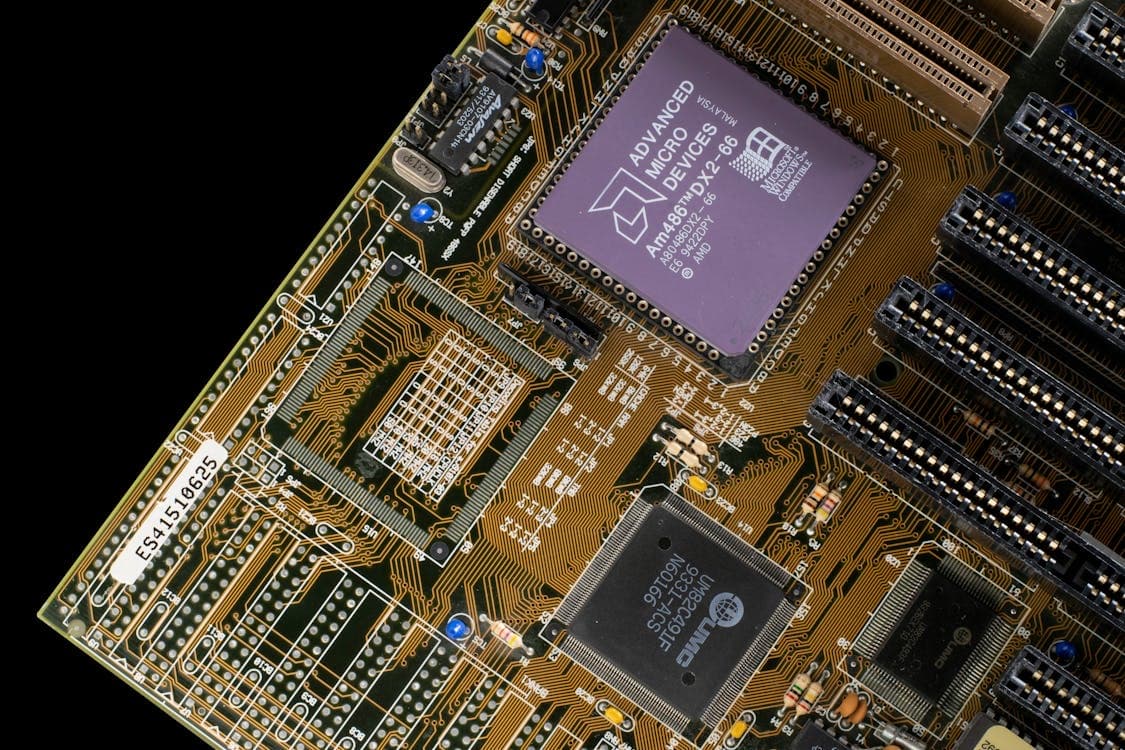
Global semiconductor supply chain visualization showing multi-tier supplier coordination

Get Free Consultation

Talk to our experts today

By submitting, you agree to our Privacy Policy. We never share your information.

Need help implementing this?

Get a free consultation from our expert team. Response within 24 hours.

Get Free Consultation

Key Takeaways

  • 1The Unique Complexity of Semiconductor Supply Chains
  • 2Key Supply Chain Challenges
  • 3How Semiconductor ERP Addresses These Challenges
  • 4Building Supply Chain Resilience

The Unique Complexity of Semiconductor Supply Chains

The semiconductor supply chain is unlike any other industry. Lead times stretch to 26 weeks. A single wafer fabrication facility serves hundreds of customers. Global demand fluctuations create boom-bust allocation cycles. And the supply chain spans continents --- silicon wafers from Japan, fabrication in Taiwan, assembly in Malaysia, test in the Philippines, distribution from Singapore.

The 2020-2023 semiconductor shortage, analyzed extensively by McKinsey , demonstrated what happens when this fragile chain breaks: $500 billion in lost revenue across end-markets, from automotive to consumer electronics. Companies that had invested in semiconductor-specific supply chain management weathered the crisis far better than those relying on generic tools.

Key Supply Chain Challenges

Long Lead Times

Semiconductor manufacturing takes 8-16 weeks for wafer fabrication alone. Add 4-8 weeks for assembly and test, plus shipping time, and total lead times reach 16-26 weeks. This means companies must forecast demand 6 months into the future --- in an industry where product cycles are measured in quarters.

Generic ERP procurement modules assume lead times of days to weeks. They cannot model the rolling forecast adjustments, capacity booking commitments, and allocation negotiations that define semiconductor purchasing.

Allocation Management

During shortage periods, foundries and OSAT providers allocate capacity among customers based on contracts, relationships, and strategic importance. A company might receive only 60% of its requested wafer starts in a given quarter.

Managing allocations requires:

  • Multi-quarter capacity booking — committing to wafer starts months in advance
  • Allocation tracking — monitoring awarded versus requested quantities
  • Reallocation strategies — shifting volume between products or customers when allocations fall short
  • Upside planning — preparing to absorb additional capacity when allocations increase

Multi-Tier Supplier Coordination

The semiconductor supply chain involves multiple tiers:

  • Tier 1 — wafer foundries and OSAT providers (direct suppliers)
  • Tier 2 — equipment and materials suppliers to fabs
  • Tier 3 — raw material providers (silicon, chemicals, gases)

A disruption at Tier 3 --- a neon gas shortage, for example --- cascades through the chain with weeks of delay before the impact reaches Tier 1 output. Visibility into multi-tier supply chain status is essential for early warning.

Die Banking and Inventory Strategy

Semiconductor companies maintain inventory at multiple stages:

  • Wafer bank — processed wafers stored before dicing and packaging
  • Die bank — tested die stored for future assembly into different packages
  • Finished goods — packaged and tested parts ready for shipment

Each stage has different cost implications, shelf-life considerations, and demand coverage characteristics. Optimizing inventory across these stages requires semiconductor-specific logic that generic ERP inventory modules cannot provide. For a deeper look at semiconductor inventory strategy, see our inventory management guide.

How Semiconductor ERP Addresses These Challenges

Demand-Supply Balancing

FlowSense Semiconductor provides semiconductor-specific demand-supply matching that accounts for:

  • Multi-month lead times with rolling forecast updates
  • Allocation constraints from multiple suppliers
  • Die bank and wafer bank as supply sources
  • Product mix flexibility (same die, different packages)
  • Customer priority weighting during constrained supply

AI-Powered Demand Forecasting

Machine learning models analyze historical order patterns, industry indicators, and customer signals to forecast semiconductor demand. The AI accounts for:

  • Semiconductor cycle dynamics (boom/bust patterns)
  • Seasonal demand variation by end-market
  • New product introduction ramps
  • Customer inventory adjustments (bullwhip effect detection)

Supplier Portal and Collaboration

The ERP provides a supplier portal where foundries and OSAT providers share:

  • Capacity availability and allocation updates
  • Work-in-progress status for active lots
  • Yield data for customer wafers
  • Delivery schedule changes and shipment tracking

This real-time collaboration replaces the email and spreadsheet chaos that characterizes most semiconductor supply chain communication.

Scenario Planning

When a supply disruption occurs --- an earthquake, a fab fire, a raw material shortage --- semiconductor companies need to evaluate alternatives quickly. The ERP's scenario planning module simulates:

  • Shifting volume to alternate foundries
  • Reallocating supply across products and customers
  • Accelerating or delaying engineering lots
  • Activating safety stock and die bank reserves

These simulations run in minutes, enabling informed decisions during crises instead of reactive scrambling.

Building Supply Chain Resilience

As the Semiconductor Industry Association has documented, the semiconductor industry's supply chain concentration --- 90% of advanced logic manufacturing in Taiwan and South Korea --- creates systemic risk. Companies building resilience should:

  1. 1Qualify multiple sources for critical components
  2. 2Maintain strategic buffer inventory at key supply chain stages
  3. 3Invest in supply chain visibility tools that provide multi-tier monitoring
  4. 4Establish long-term capacity agreements with strategic suppliers
  5. 5Implement semiconductor-specific ERP that models industry dynamics natively
Gain end-to-end supply chain visibility. Discover FlowSense Semiconductor.
Free Consultation

Ready to Optimize Your Semiconductor Operations?

Discover AI-powered solutions for fab management, yield optimization, and process control.

  • Expert guidance tailored to your needs
  • No-obligation discussion
  • Response within 24 hours

By submitting, you agree to our Privacy Policy. We never share your information.

Frequently Asked Questions

Why are semiconductor supply chain lead times so long?

Semiconductor wafer fabrication alone takes 8-16 weeks due to 400-700 process steps. Adding assembly, test, and shipping brings total lead times to 16-26 weeks. This requires demand forecasting 6 months ahead and specialized ERP tools for managing rolling forecasts and allocations.

How does semiconductor ERP handle allocation management?

Semiconductor ERP tracks multi-quarter capacity bookings, monitors awarded versus requested allocations, manages reallocation strategies when supply falls short, and provides scenario planning for supply disruptions --- capabilities absent in generic ERP procurement modules.

What is die banking in semiconductor supply chain?

Die banking stores tested semiconductor die before assembly into final packages, allowing companies to maintain inventory flexibility. The same die can be assembled into different package types based on customer demand, reducing finished goods inventory while maintaining supply responsiveness.

About the Author

AS

APPIT Software

Semiconductor Technology Writer, APPIT Software Solutions

APPIT Software is the Semiconductor Technology Writer at APPIT Software Solutions, bringing extensive experience in enterprise technology solutions and digital transformation strategies across healthcare, finance, and professional services industries.

Sources & Further Reading

SEMI - Semiconductor Equipment and Materials InternationalMcKinsey SemiconductorsIEEE Spectrum

Related Resources

Semiconductor & Electronics Industry SolutionsExplore our industry expertise
Interactive DemoSee it in action
AI & ML IntegrationLearn about our services
Data AnalyticsLearn about our services

Topics

semiconductor supply chainsupply chain managementallocation managementdemand forecastingsemiconductor ERP

Share this article

Table of Contents

  1. The Unique Complexity of Semiconductor Supply Chains
  2. Key Supply Chain Challenges
  3. How Semiconductor ERP Addresses These Challenges
  4. Building Supply Chain Resilience
  5. FAQs

Who This Is For

semiconductor supply chain managers
procurement directors
operations VP semiconductor
supply chain planners
Free Resource

Semiconductor Fab Optimization Guide

Improve yield, reduce cycle times, and optimize fab operations with AI-powered manufacturing intelligence.

No spam. Unsubscribe anytime.

Ready to Transform Your Semiconductor & Electronics Operations?

Let our experts help you implement the strategies discussed in this article.

See Interactive DemoExplore Solutions

Related Articles in Semiconductor & Electronics

View All
Semiconductor inventory management system showing multi-stage inventory optimization
Semiconductor & Electronics

Semiconductor Inventory Management with ERP

Cut semiconductor inventory costs by 25-30% with AI-powered demand forecasting, die banking strategies, and multi-stage inventory optimization.

12 min readRead More
Semiconductor ERP software dashboard for cleanroom fab management
Semiconductor & Electronics

Complete Guide to Semiconductor ERP Software in 2026

Everything semiconductor manufacturers need to know about choosing, implementing, and maximizing ROI from purpose-built ERP software designed for chip manufacturing.

12 min readRead More
Comparison between generic ERP limitations and semiconductor-specific ERP capabilities
Semiconductor & Electronics

Why Generic ERP Fails Semiconductor Manufacturing

Discover why SAP, Oracle, and other generic ERP platforms fall short for semiconductor companies, and what purpose-built alternatives offer instead.

11 min readRead More
FAQ

Frequently Asked Questions

Common questions about this article and how we can help.

You can explore our related articles section below, subscribe to our newsletter for similar content, or contact our experts directly for a deeper discussion on the topic.