APPIT Software - Solutions Delivered
Demos
LoginGet Started
Aegis BrowserFlowSenseVidhaanaTrackNexusWorkisySlabIQLearnPathAI InterviewAll ProductsDigital TransformationAI/ML IntegrationLegacy ModernizationCloud MigrationCustom DevelopmentData AnalyticsStaffing & RecruitmentAll ServicesHealthcareFinanceManufacturingRetailLogisticsProfessional ServicesEducationHospitalityReal EstateAgricultureConstructionInsuranceHRTelecomEnergyAll IndustriesCase StudiesBlogResource LibraryProduct ComparisonsAbout UsCareersContact
APPIT Software - Solutions Delivered

Transform your business from legacy systems to AI-powered solutions. Enterprise capabilities at SMB-friendly pricing.

Company

  • About Us
  • Leadership
  • Careers
  • Contact

Services

  • Digital Transformation
  • AI/ML Integration
  • Legacy Modernization
  • Cloud Migration
  • Custom Development
  • Data Analytics
  • Staffing & Recruitment

Products

  • Aegis Browser
  • FlowSense
  • Vidhaana
  • TrackNexus
  • Workisy
  • SlabIQ
  • LearnPath
  • AI Interview

Industries

  • Healthcare
  • Finance
  • Manufacturing
  • Retail
  • Logistics
  • Professional Services
  • Hospitality
  • Education

Resources

  • Case Studies
  • Blog
  • Live Demos
  • Resource Library
  • Product Comparisons

Contact

  • info@appitsoftware.com

Global Offices

๐Ÿ‡ฎ๐Ÿ‡ณ

India(HQ)

PSR Prime Towers, 704 C, 7th Floor, Gachibowli, Hyderabad, Telangana 500032

๐Ÿ‡บ๐Ÿ‡ธ

USA

16192 Coastal Highway, Lewes, DE 19958

๐Ÿ‡ฆ๐Ÿ‡ช

UAE

IFZA Business Park, Dubai Silicon Oasis, DDP Building A1, Dubai

๐Ÿ‡ธ๐Ÿ‡ฆ

Saudi Arabia

Futuro Tower, King Saud Road, Riyadh

ยฉ 2026 APPIT Software Solutions. All rights reserved.

Privacy PolicyTerms of ServiceCookie PolicyRefund PolicyDisclaimer

Need help implementing this?

Get Free Consultation
  1. Home
  2. Blog
  3. Manufacturing
Manufacturing

Connecting Legacy PLCs to AI Systems: OT/IT Integration Guide

A practical guide to integrating legacy PLCs with modern AI platforms. Learn about data extraction strategies, protocol translation, security considerations, and phased modernization approaches.

VR
Vikram Reddy
|October 13, 20254 min readUpdated Oct 2025
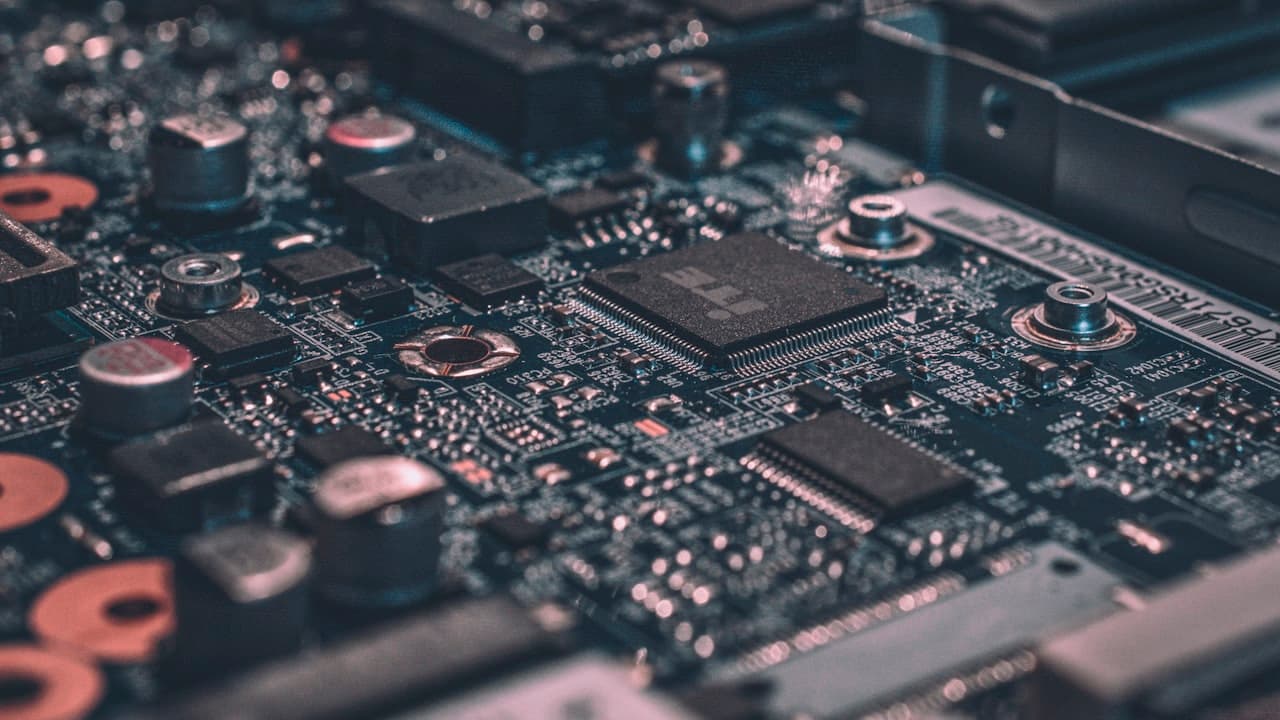
Industrial PLC panel connected to modern edge computing device for AI data collection

Get Free Consultation

Talk to our experts today

By submitting, you agree to our Privacy Policy. We never share your information.

Need help implementing this?

Get a free consultation from our expert team. Response within 24 hours.

Get Free Consultation

Key Takeaways

  • 1Understanding the Legacy PLC Landscape
  • 2Architecture Patterns for Legacy Integration
  • 3Security Considerations
  • 4Phased Modernization Strategy
  • 5Common Pitfalls and How to Avoid Them

# Connecting Legacy PLCs to AI Systems: OT/IT Integration Guide

Your factory runs on PLCs installed 15, 20, or even 30 years ago. They work reliably, control critical processes, and hold valuable dataโ€”but as the World Economic Forum's manufacturing reports highlight, they weren't designed for AI integration. This guide provides practical strategies for extracting data from legacy PLCs and feeding it into modern AI platforms without disrupting operations.

Understanding the Legacy PLC Landscape

Common Legacy PLC Platforms

Allen-Bradley/Rockwell - PLC-5 (1987-2017): Still running in many plants - SLC 500 (1990s): Widely deployed, limited connectivity - ControlLogix (1998+): More modern, easier integration - Protocols: DH+, DH-485, DF1, EtherNet/IP

Siemens - S5 (1979-1995): Protocol challenges, requires special handling - S7-300/400 (1994+): MPI, Profibus, some Ethernet - Protocols: MPI, Profibus, S7 protocol, OPC

Mitsubishi - FX Series: Serial communication dominant - Q Series: More connectivity options - Protocols: MELSEC, CC-Link, Ethernet

The Data Extraction Challenge

Legacy PLCs present unique challenges:

ChallengeImpactTypical Solution
Proprietary protocolsCan't connect directlyProtocol converters
Serial-only connectivityLow speed, limited distanceSerial-to-Ethernet converters
Limited memoryCan't add extensive loggingExternal data collectors
No spare I/OCan't add new sensorsSignal splitters, additional PLCs
No security featuresRisk of disruptionNetwork segmentation

> Download our free Industry 4.0 Readiness Assessment โ€” a practical resource built from real implementation experience. Get it here.

## Architecture Patterns for Legacy Integration

Pattern 1: Edge Data Collector

The most common and lowest-risk approach.

Implementation Steps

  1. 1Protocol Analysis
  1. 1Edge Device Selection

| Device | Best For | Protocol Support | |--------|----------|-----------------| | Kepware/KEPServerEX | Complex multi-vendor environments | 150+ protocols | | Ignition Edge | Scalable SCADA integration | Major PLC brands | | Moxa IoThinx | Industrial environments | Common protocols | | Custom (Python/Node) | Specific needs, budget constraints | Depends on libraries |

  1. 1Data Mapping

``` PLC Address | Data Type | Description | Poll Rate | AI Usage N7:0 | INT | Production Count | 1 sec | Throughput prediction F8:0 | FLOAT | Temperature Sensor 1 | 500ms | Quality prediction B3:0/0 | BOOL | Machine Running | 100ms | OEE calculation ```

Pattern 2: Historian Bridge

Leverage existing data historian investments.

Many plants already collect PLC data in historians (OSIsoft PI, Wonderware Historian, GE Proficy). These often have better AI connectivity than the PLCs themselves.

Integration Options - Direct API Access via REST APIs - OPC UA Gateway for real-time data - Database Replication for SQL access

Pattern 3: Signal Tapping

When you can't or won't touch the PLC at all.

How It Works - Install sensors or signal conditioners on I/O wiring - Parallel measurement, PLC unaware - Independent data path to AI systems

Security Considerations

Never connect legacy PLCs directly to IT networks.

Recommended Architecture ``` [Legacy PLCs] โ†’ [DMZ/Edge Network] โ†’ [IT Network] โ†’ [Cloud AI] โ†‘ Industrial Firewall ```

DMZ Functions - Protocol conversion - Data validation - Traffic logging - Access control - Anomaly detection

Recommended Reading

  • Automotive Supplier Reduces Defects by 73% with AI Quality Inspection: A Manufacturing Success Story
  • Computer Vision Quality Control: Building Defect Detection Systems with 99.8% Accuracy
  • Edge AI vs Cloud AI for Quality Control: What Manufacturers Should Choose

## Phased Modernization Strategy

Phase 1: Assessment (1-2 months)

Inventory - Catalog all PLCs (manufacturer, model, age, connectivity) - Map network topology - Document communication protocols

Prioritization Matrix

FactorWeightCriteria
Business Value30%AI use case ROI potential
Technical Feasibility25%Connectivity options, data availability
Risk25%Criticality of process, modification risk
Cost20%Hardware, labor, downtime

Phase 2: Pilot (3-4 months)

Select 3-5 pilot systems covering different PLC brands and complexity levels.

Phase 3: Scaled Deployment (6-12 months)

Based on pilot learnings, create standardized templates and systematic rollout plans.

Common Pitfalls and How to Avoid Them

Pitfall 1: Underestimating Protocol Complexity Test actual communication before purchasing equipment and account for vendor-specific implementations.

Pitfall 2: Disrupting Production Test all changes in lab environment when possible and schedule work during planned maintenance.

Pitfall 3: Security Afterthought Design network segmentation first and involve OT security team from start.

Pitfall 4: Poor Data Quality Validate data at edge before sending and implement data quality monitoring.

ROI Calculation Framework

Cost Categories

One-Time Costs - Edge hardware: $500-$5,000 per PLC - Protocol licenses: $1,000-$10,000 per site - Installation labor: $2,000-$10,000 per PLC

Ongoing Costs - Software maintenance: 15-20% of license cost annually - Edge device management: $500-$2,000 per device annually

Typical Payback

For well-planned implementations: - Simple integrations: 6-12 month payback - Complex multi-protocol: 12-24 month payback

Contact APPIT's OT/IT integration team for a free assessment of your legacy PLC landscape.

Free Consultation

Ready to Optimize Your Manufacturing Process?

Learn how smart automation can reduce costs and increase productivity.

  • Expert guidance tailored to your needs
  • No-obligation discussion
  • Response within 24 hours

By submitting, you agree to our Privacy Policy. We never share your information.

Frequently Asked Questions

Can I connect to PLCs without modifying the PLC program?

Yes, most legacy PLC integration uses non-intrusive approaches. Edge data collectors can read from PLCs using native protocols without any program modification.

What is the typical data latency when extracting from legacy PLCs?

For most legacy serial protocols, expect 100-500ms latency. Ethernet-based protocols can achieve 10-50ms. This is sufficient for most AI applications.

How do I handle PLCs that use obsolete protocols?

Specialized protocol converters exist for most legacy protocols. Companies like Prosoft, HMS Networks, and Phoenix Contact offer converters for protocols vendors no longer support.

About the Author

VR

Vikram Reddy

CTO, APPIT Software Solutions

Vikram Reddy is the Chief Technology Officer at APPIT Software Solutions. He architects enterprise-grade AI and cloud platforms, specializing in ERP modernization, edge computing, and healthcare interoperability. Prior to APPIT, Vikram led engineering teams at Infosys and Oracle India.

Sources & Further Reading

World Economic Forum - ManufacturingNIST Manufacturing ExtensionMcKinsey Operations

Related Resources

Manufacturing Industry SolutionsExplore our industry expertise
Interactive DemoSee it in action
Legacy ModernizationLearn about our services
AI & ML IntegrationLearn about our services

Topics

PLC IntegrationOT/IT ConvergenceLegacy SystemsIndustry 4.0Edge Computing

Share this article

Table of Contents

  1. Understanding the Legacy PLC Landscape
  2. Architecture Patterns for Legacy Integration
  3. Security Considerations
  4. Phased Modernization Strategy
  5. Common Pitfalls and How to Avoid Them
  6. ROI Calculation Framework
  7. FAQs

Who This Is For

Manufacturing CTO
OT Manager
Automation Engineer
IT Director
Free Resource

Industry 4.0 Readiness Assessment

Evaluate your factory's readiness for smart manufacturing with our comprehensive 30-point assessment checklist.

No spam. Unsubscribe anytime.

Ready to Transform Your Manufacturing Operations?

Let our experts help you implement the strategies discussed in this article.

See Interactive DemoExplore Solutions

Related Articles in Manufacturing

View All
AI vision system inspecting manufacturing components on production line
Manufacturing

Industry 4.0 Reality: A Manufacturing Plant's Journey from Manual QC to AI Vision Systems

How a manufacturing facility transformed quality control operations with AI-powered computer vision, achieving 99.8% defect detection while reducing inspection costs by 67%.

14 min readRead More
AI predictive maintenance dashboard monitoring manufacturing equipment
Manufacturing

Predictive Maintenance AI: How Manufacturers Are Eliminating 95% of Unplanned Downtime

Discover how AI-powered predictive maintenance is revolutionizing manufacturing operations, preventing equipment failures before they happen and saving millions in downtime costs.

13 min readRead More
Smart factory ROI analysis and investment decision framework
Manufacturing

The Smart Factory ROI: Manufacturing Executives' Guide to AI Investment Returns

A comprehensive financial analysis of smart factory investments, with detailed ROI breakdowns across AI applications and a framework for building compelling business cases.

14 min readRead More
FAQ

Frequently Asked Questions

Common questions about this article and how we can help.

You can explore our related articles section below, subscribe to our newsletter for similar content, or contact our experts directly for a deeper discussion on the topic.